Case Study: The Lucky Goat - super-techy behind the scenes, animations + integrations.
A big-character, high-performance site, built in stages to suit an ever-changing launch schedule.
I delivered a ground-up digital build with zero online presence to a fully realised brand experience. A phased rollout captured audience data pre-launch, while bespoke Figma animation, extensive custom CSS and interactive expanding panels push the platform well beyond standard Squarespace capability. A deeply customised DesignMyNight reservations integration converts visitors seamlessly, and integrated analytics with back-stage heat-mapping give the team genuine behavioural insight.
The Lucky Goat is a central London venue where games, drinks, food and karaoke collide — a brand-new business with personality to spare, and no website at all. They were starting their digital presence completely from scratch: no domain history, no audience, no bookings system. A blank page, in the best possible way.
Rather than leaving them invisible until launch, I split the build into two stages. Within two weeks they had a holding page live — GDPR-compliant sign-up form, socials, location and contact — quietly collecting an audience while the real work happened behind the scenes.
The full build was a proper craft project. I designed a bespoke animation in Figma and brought it to life on the site with a serious amount of custom CSS, pushing the design far beyond what Squarespace does out of the box. Will Myers' expanding panels add playful, tactile image animations as you move through the site, and their gorgeous photography, used for backgrounds sets the tone — nostalgic, grainy and lo-fi, retro yet familiar — so the site feels like the venue: playful, cinematic and a little bit cheeky. Eye-catching, but never at the expense of readability; the whole site was keyword-optimised for SEO and audited for accessibility using WAVE.
Bespoke Figma Motion Animations
→
Paid for Plug-ins to elevate the design.
→
Heat Map behind the scenes.
→
Bespoke Figma Motion Animations → Paid for Plug-ins to elevate the design. → Heat Map behind the scenes. →
Bookings were the make-or-break feature. The Lucky Goat uses DesignMyNight for reservations, and the out-of-the-box widget looks exactly like what it is — someone else's software dropped onto your website. I customised it with CSS (and heaps of testing) until it sat seamlessly within the brand, so booking a table feels like part of the experience rather than a detour.
Analytics are connected to Google Analytics and their Google Business Profile, and I installed a heatmap so the team can literally see how visitors use each page — decisions based on real behaviour, not guesswork. I trained the team to run it all themselves, then stayed close with a month of post-delivery support and a two-month retainer while they found their feet.
The result: a brand-new website for a brand-new venue, with as much character as the place itself — that also quietly does the serious work of filling tables.
Case Study: GAPS UK - website redesign + build
Presenting their expertise and impact in a way that’s instantly more credible.
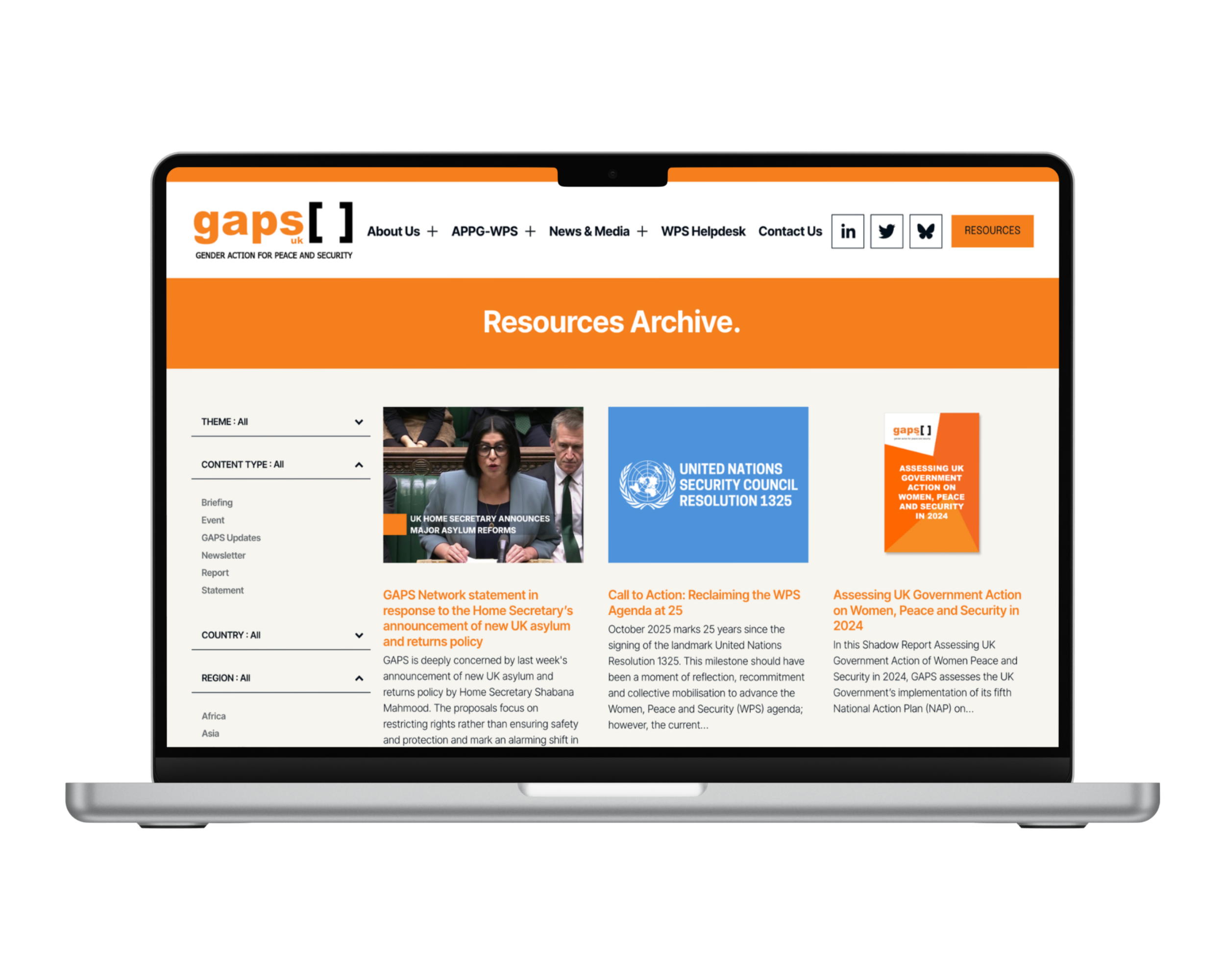
I led a full-scale strategic rebuild for GAPS, transforming a fragmented legacy site into a high-credibility, modern resource hub. By solving navigation friction and streamlining a complex library of policy outputs, I created an intuitive user journey that makes GAPS vital work instantly discoverable. The final result balances a clean, accessible aesthetic with a custom CMS and integrated analytics, empowering the GAPS team to manage their digital presence with total confidence and professional polish.
GAPS UK came to me with a clear problem: the old website didn’t reflect the integrity of their work, and it was genuinely hard for people to find what they needed and use the website as a resource.
The design felt inconsistent, the “Policy and resources” area was a long stream of content, and important updates got lost. They also needed something their team could confidently keep updated without needing a developer every time.
I delivered a full website rebuild with a fresh, coherent look and a much clearer structure. Visually, the new site is clean, modern, and deliberately simple so the content can breathe. I pulled the branding together so pages feel like they belong to the same organisation, with a consistent use of their colour palette, bold typography, and a layout system that stays predictable as you move around the site. The goal was: eye-catching, but never at the expense of readability or accessibility.
The biggest improvement is usability. Instead of users having to “hunt” through pages, the site is organised around clear resource groupings (Toolkits, Publications, WPS resources) and designed so visitors can quickly understand where they are and where to go next. Navigation is simpler, and key work can be featured more intentionally on the homepage, rather than relying on a moving banner that people scroll past.
We also separated and clarified areas that previously felt muddled (like different event streams), so each audience can get what they need with less confusion. For GAPS members and civil society partners, it’s now straightforward to find relevant outputs. For academics and students, resources are easier to browse and reference. For potential donors and recruitment, the new website now presents GAPS’ expertise and impact in a way that’s instantly more credible.
Behind the scenes, the rebuild focused on making day-to-day updates easy. The content management approach is designed so staff can add and edit pages, resources, and podcast updates without technical knowledge. The “Mind the GAPS” podcast now has a dedicated home with space for episode summaries and embedded listening, with links out to their podcast platforms.
Finally, I set the site up to be measurable and improvable. Analytics can be used to see what’s working, what people are searching for, and where drop-offs happen—so future updates are based on real behaviour, not guesswork. The end result is a site that looks significantly better, feels calmer and more professional, and is much easier to use for every type of visitor GAPS serves.
UX Design: Strategic resource grouping for Toolkits & Publications.
→
Visual Identity: Modern, accessible UI with a cohesive brand palette.
→
Podcast Hub: Dedicated home for 'Mind the GAPS' with embedded audio.
→
Autonomy: Custom-built CMS for easy, non-technical team updates.
→
Data-Driven: Integrated analytics to track user behaviour and search trends.
UX Design: Strategic resource grouping for Toolkits & Publications. → Visual Identity: Modern, accessible UI with a cohesive brand palette. → Podcast Hub: Dedicated home for 'Mind the GAPS' with embedded audio. → Autonomy: Custom-built CMS for easy, non-technical team updates. → Data-Driven: Integrated analytics to track user behaviour and search trends.
Client Testimonial Eva Tabbasam, Director at GAPS
Working with Rebecca on the GAPS website rebuild was a pleasure. Not only did she deliver a clean, professional, and highly functional site that perfectly organises our complex legacy resources, but her approach was brilliant .
Rebecca has an rare ability to read the room - she sensed our high-pressure periods and was patient and flexible with our shifting workloads and the impact this has on our delivery date.
She made a daunting project feel manageable and much less stressful for our incredibly busy team.
For anyone looking for a website designer who is easy to work with and truly understands client needs, I cannot recommend Rebecca highly enough.
GAPS is a 17 strong network of development, human rights, humanitarian, and peace-building INGOs, based in the UK, including Amnesty International, Oxfam, UN Women and Peace Direct.
GAPS is the leading UK’s network on Women, Peace and Security (WPS), uniting 17 international NGOs and civil society organisations working across peacebuilding, development, humanitarian response, women’s rights, human rights, gender justice, conflict prevention, inclusive peace and security.